What are you curious about?
Curiosity is the thread. Everything else is context.
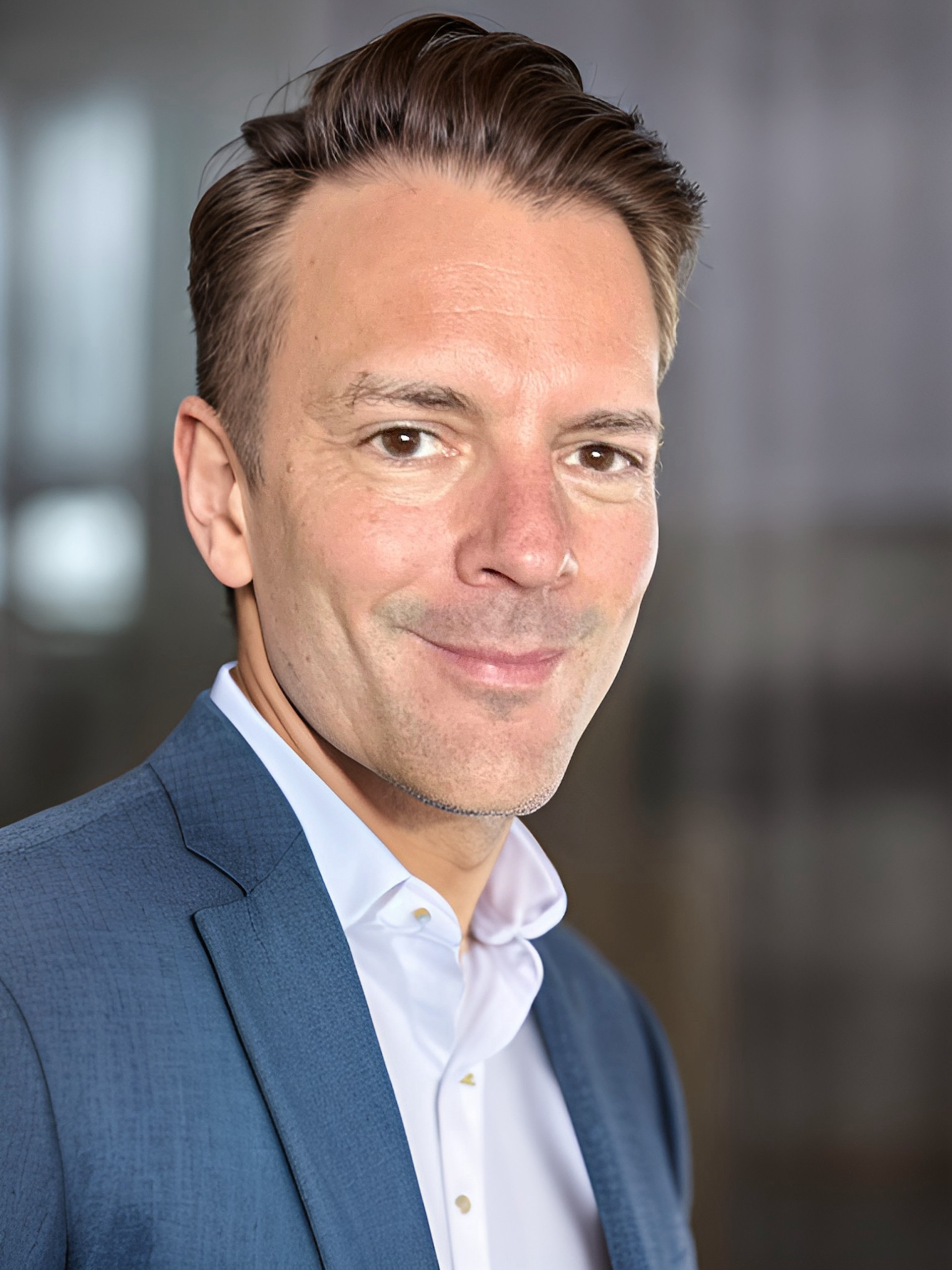
Haïm's journey spans continents and industries. From early work in software to founding startups in both the US and Europe, he has built a career blending technical innovation with people-centered leadership.
After nearly a decade leading digital transformation at Ramsay Medical Centers in Paris, growing the company from $57M to $125M in revenue, he founded Vudexis, a telemedicine startup that became profitable in under a year. Most recently, as Director of IT for a logistics company with 20 warehouses, he rolled out AI and automation and built an internal academy that turned operations staff into builders. Today he runs two companies: Lifetria, an AI-native software studio, and STC, an AI training, coaching and strategy firm.
Read moreWhat I do
Teaching people to build
Haïm has been teaching since his early twenties: free Saturday classes while he was still a student, then a classroom in Florida explaining Linux. The subject has changed. The best part hasn't: the moment someone who "isn't technical" builds their first tool and realizes they can do it again. He saw it with warehouse teams who now automate their own reporting, and he sees it today with every group he works with.
Building with AI
Lifetria is an AI-native software studio: AI does 90% of the work, and senior engineers act as conductors. Strategy, implementation and integration into the systems you already run. Haïm builds his own products this way too: Juno (opens in new tab), a personal CRM that remembers every relationship. Dictate a note from your phone and AI files it under the right person and project. The current AI moment looks a lot like open source in the late 1990s: a fundamental shift that rewards the people who build, not the people who wait.
From the command line to the boardroom
Most AI advice comes from people who have never run a server. Haïm taught Linux at 22, ran 340 servers across three continents at Akamai, then became CTO and later CEO of a $125M healthcare group with 1,700 employees. He understands the technology down to the wire and the business up to the board, in the US and in Europe.
Starting from zero
Companies built from nothing. Green Backup replicated data across three continents. Vudexis brought eye care to underserved communities in France and was profitable within a year. STC helps people and teams build with AI. Each one started with the same question: what would this look like if we built it right?
Documentary work

Mediterranean rescue
2016
War in Ukraine
2022
Israel and Gaza
2023Thought leadership
Get in touch
Whether it's an idea you want to build, a question about AI, or something I wrote that stuck with you, I'd love to hear from you.